
Women's Health Month: Taking Charge of Your Health with Preventive Care
May is Women's Health Month, a time dedicated to encouraging women to prioritize their well-being and take advantage of preventive healthcare services that support long-term health.
Women’s Health Month Article
Men’s Health Month Article
Men’s Health Month: Taking Control of Your Long-Term Health
June is Men’s Health Month—a time dedicated to raising awareness about preventable health issues and encouraging men to take a more proactive role in their well-being.
While many men prioritize work, family, and daily responsibilities, health is often placed on the back burner.
Chronic Care Management
Chronic Care Management (CCM): A Closer Look at How Ongoing Care Improves Your Health
If you live with chronic conditions like diabetes, hypertension, arthritis, or heart disease, you already know that managing your health doesn’t happen only during doctor visits.
Annual Wellness Visit
The Importance of Scheduling Your Annual Wellness Visit (AWV)
As we get older, staying proactive about our health becomes increasingly important. For Medicare beneficiaries, one of the most valuable preventive care services available is the Annual Wellness Visit (AWV). While many patients are familiar with the traditional yearly physical exam, the AWV serves a different and equally important purpose: helping you create a personalized plan to maintain your health, independence, and quality of life.
Learning About Type 2 Diabetes

What is type 2 diabetes?
Type 2 diabetes is a condition in which you have too much sugar (glucose) in your blood. Glucose is a type of sugar produced in your body when carbohydrates and other foods are digested. It provides energy to cells throughout the body.
When You Want to Lose Weight: Care Instructions
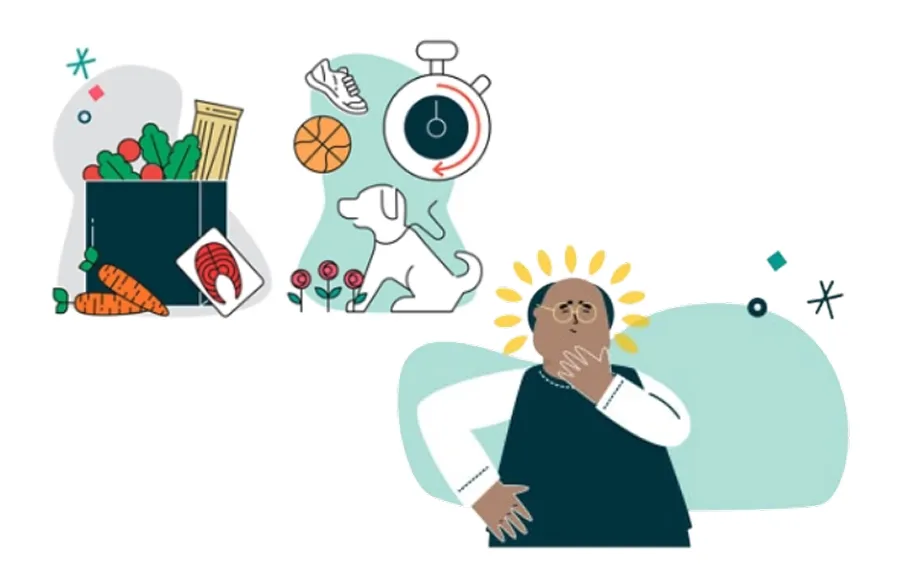
If you want to lose weight, eating healthy foods and being more active can help. Finding support can help too. But healthy eating and regular exercise aren't enough for everyone. Obesity can be treated. If you're having trouble meeting your goals, work with your doctor to make a weight-loss plan that's right for you.
High Cholesterol: Care Instructions

Overview
Cholesterol is a type of fat (lipid) in your blood. It is needed for many body functions. Cholesterol is made by your body. It also comes from food you eat. High cholesterol means that you have too much of the fat in your blood. This raises your risk of coronary artery disease (CAD), heart attack, and stroke.
High Blood Pressure: Care Instructions

Overview
It's normal for blood pressure to go up and down throughout the day. But if it stays up, you have high blood pressure. Another name for high blood pressure is hypertension. For diagnosis, the top number may be 130 to 140 or higher. The bottom number may be 80 to 90 or higher.
Learning About High Blood Pressure
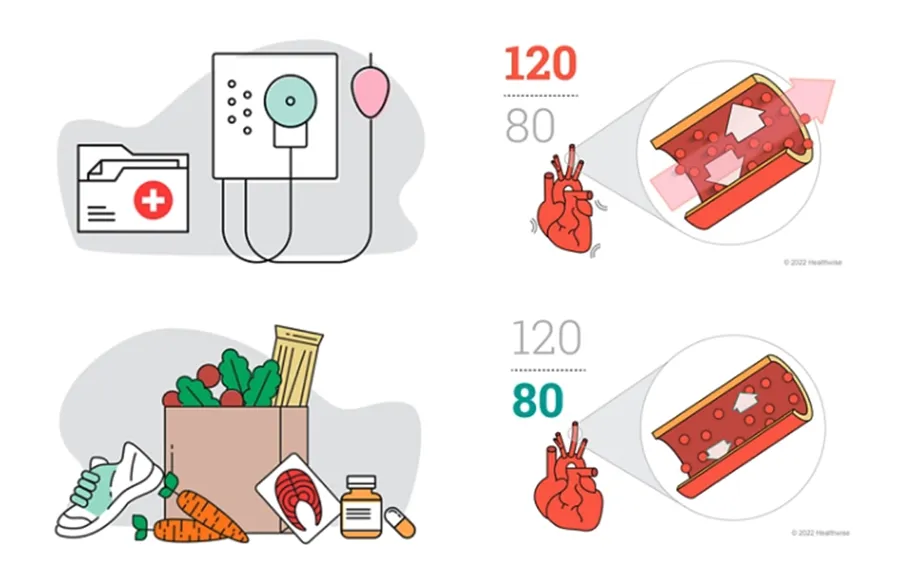
It's normal for blood pressure to go up and down throughout the day. But if it stays up, you have high blood pressure (hypertension). High blood pressure means that your blood is pressing on your arteries with too much force. For diagnosis, the top number may be 130 to 140 or higher.
When Your Child Is Overweight: Care Instructions

Overview
If your child is overweight, your doctor may recommend that you make changes in your family's eating and exercise habits. A child who weighs too much may develop serious health problems. These include high blood pressure, high cholesterol, and type 2 diabetes.
- 1
- 2