
It's normal for blood pressure to go up and down throughout the day. But if it stays up, you have high blood pressure (hypertension). High blood pressure means that your blood is pressing on your arteries with too much force. For diagnosis, the top number may be 130 to 140 or higher. The bottom number may be 80 to 90 or higher.
Usually it doesn't cause symptoms. But over time, it can cause damage. High blood pressure increases the risk of stroke, heart attack, vision loss, and dementia.
Your doctor will give you a goal for your blood pressure. Your goal will be based on your health and your age.
A healthy lifestyle, which includes eating healthy and being active, is always important to help lower blood pressure. You might also take medicine to reach your blood pressure goal.
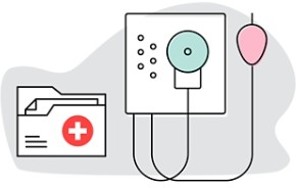
Your doctor will give you a goal for your blood pressure. Your goal will be based on your health and age.
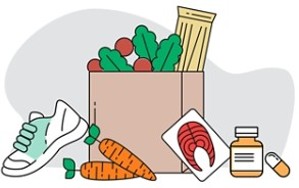
Eating healthy foods, not smoking, and being active can help lower blood pressure. You might also take medicine to reach your blood pressure goal.
Tips for preventing high blood pressure

Stay at a healthy weight. Talk to your doctor about what a healthy weight is for you.

Limit salt (sodium). Use no or less salt in recipes. And buy foods labeled "unsalted," "sodium-free," or "low-sodium." Foods labeled "reduced-sodium" and "light sodium" may still have too much sodium.

Find new ways to flavor food. Try garlic, lemon juice, onion, vinegar, herbs, and spices instead of salt. Avoid things like soy sauce, steak sauce, mustard, and ketchup.

Get at least 30 minutes of exercise on most days of the week. Walking is a good choice. Swimming, running, or team sports may also work for you.

Limit alcohol. Men should have no more than 2 drinks a day. Women should have no more than 1.

Eat plenty of fruits, vegetables, and low-fat dairy products. Eat less saturated fat (like red meat and full fat dairy), and limit sweets and sugary beverages.
Understanding the numbers
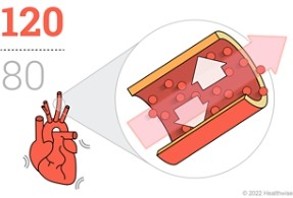
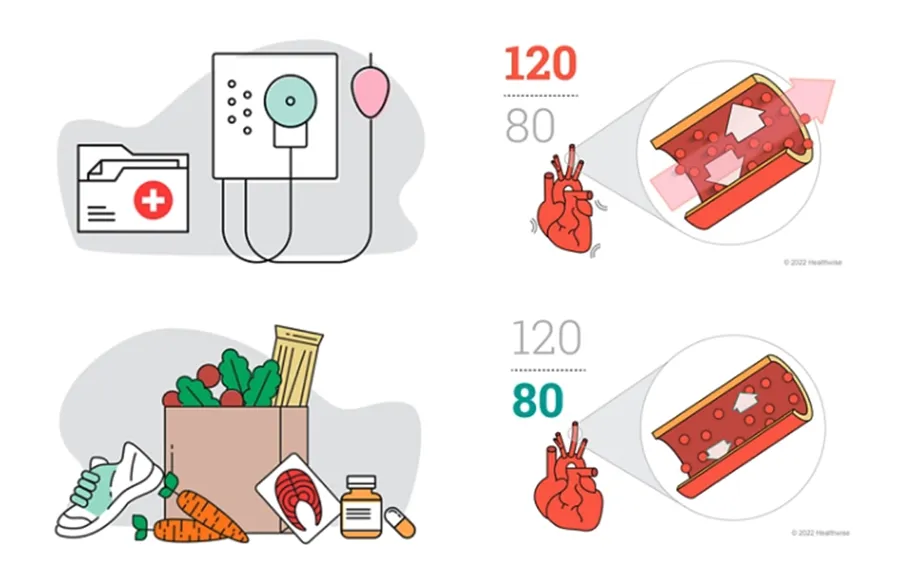
Two numbers tell you your blood pressure. The first (top) number shows how hard the blood pushes on your artery walls when your heart pumps.
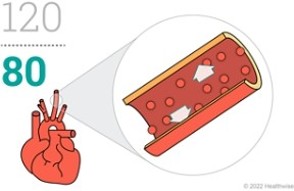
The second (bottom) number shows how hard the blood pushes on your artery walls between heartbeats, when your heart relaxes.
Care instructions adapted under license by Preview. This care instruction is for use with your licensed healthcare professional. If you have questions about a medical condition or this instruction, always ask your healthcare professional. Ignite Healthwise, LLC disclaims any warranty or liability for your use of this information.